Scheduling Private Functions Around Tournament Cycles in Switzerland's Lakefront Gaming Venues
David Braun · Nov 22, 2026
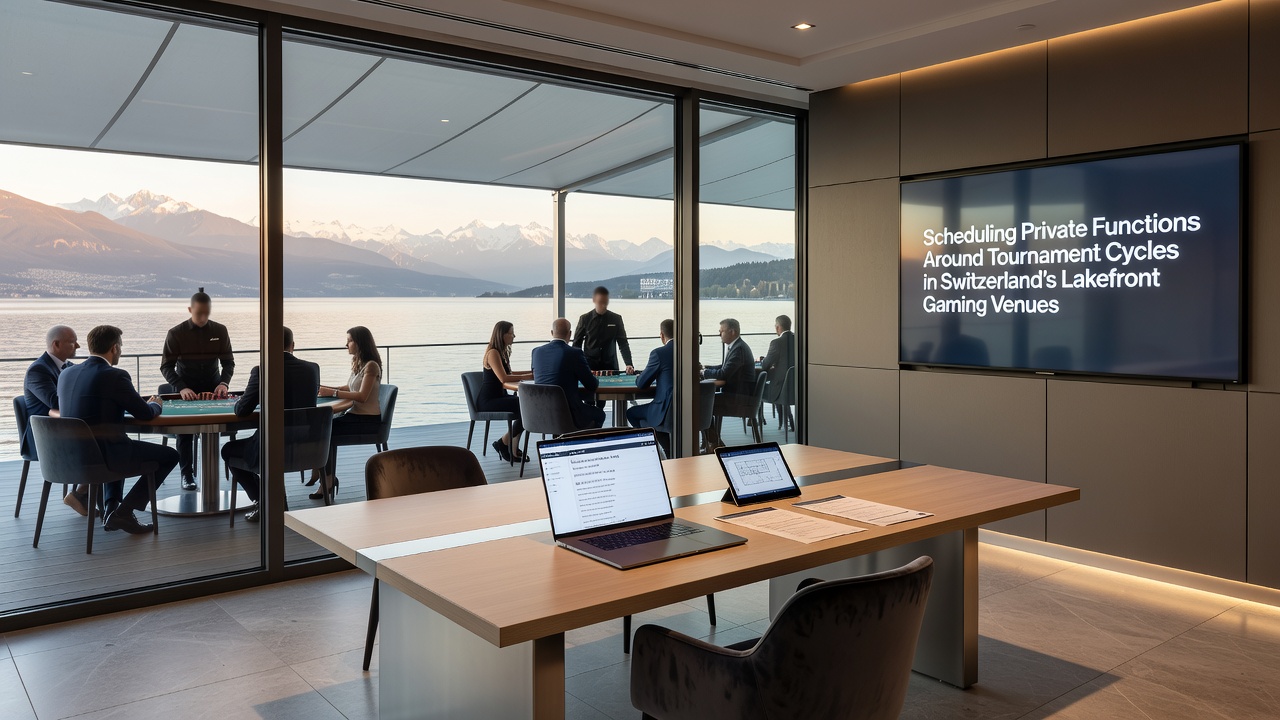
Scheduling Private Functions Around Tournament Cycles in Switzerland's Lakefront Gaming Venues
Switzerland's lakefront gaming venues operate under a complex framework of federal and cantonal regulations that shape how private functions align with tournament schedules, and observers note that this coordination becomes especially intricate during peak seasons when multiple events compete for space and resources. Lake Lucerne and Lake Geneva host several facilities where poker tournaments, blackjack series, and other gaming competitions follow predictable cycles tied to international calendars, while private bookings for corporate retreats, weddings, and social gatherings must navigate those same timelines without overlap.
Regulatory Foundations for Event Coordination
Cantonal authorities in Lucerne, Geneva, and Vaud enforce specific guidelines that require venues to maintain separation between public gaming floors and private function areas, and data from the Swiss Federal Gaming Board shows these rules influence how calendars get structured months in advance. Venues submit proposed schedules that account for tournament cycles lasting anywhere from three days to two weeks, and private function organizers receive confirmation only after regulators confirm no conflicts with licensed gaming activities. Those who've studied these processes point out that November 2026 will see several lakefront sites hosting major international poker events that coincide with the end of the European tournament season, creating narrow windows for non-gaming bookings.
Venue-Specific Calendar Dynamics
Facilities along Lake Lucerne typically block out large function rooms during high-stakes tournament weeks to accommodate player lounges and media areas, whereas spaces on Lake Geneva often stagger private events around shorter daily tournaments that allow evening functions to proceed uninterrupted. Research from European gaming associations indicates that successful coordination relies on shared digital platforms where venue managers track real-time availability, and case studies from similar lakeside operations reveal that advance booking periods stretch to eighteen months for peak autumn months. One documented example involved a corporate retreat that shifted dates by ten days to avoid clashing with a regional blackjack championship, and the adjustment preserved both the tournament's integrity and the client's preferred lakeside setting.
Operational Strategies Employed by Venue Teams
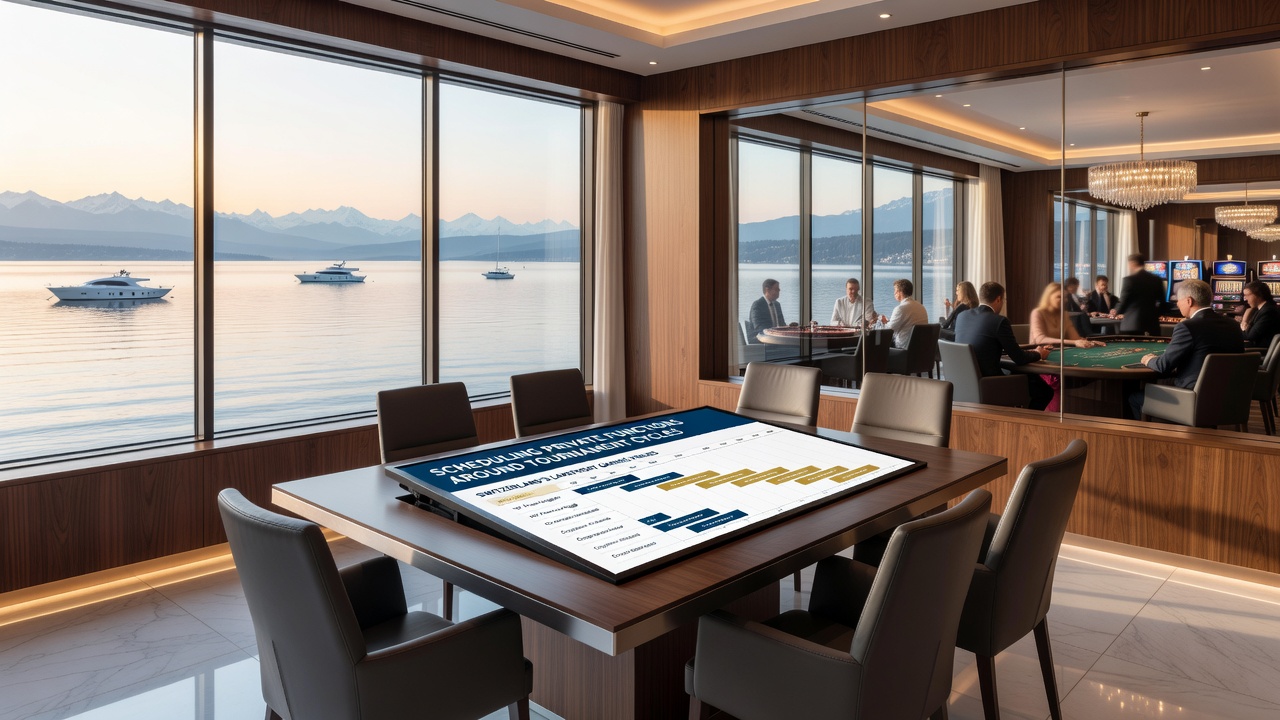
Venue operators break tournament cycles into distinct phases that include setup, active play, and teardown, and private function planners receive access during teardown windows when security protocols allow non-gaming guests into adjacent spaces. Figures from industry reports compiled by the Canadian Gaming Association highlight how buffer days between events reduce logistical strain on staff and equipment, and Swiss venues have adopted similar practices to manage overlapping demands. Those managing these calendars often use color-coded systems that flag restricted periods, and this visual approach helps external organizers understand why certain dates remain unavailable despite apparent gaps in the public schedule.
Impact of Seasonal Tournament Patterns
Tournament density increases during shoulder seasons when international players seek milder European climates, and lakefront venues respond by reserving function capacities for sponsor activations that support the events themselves. According to academic analysis published in the Journal of Gambling Studies from researchers at the University of Nevada, facilities that integrate private bookings into off-cycle periods report higher overall utilization rates without compromising regulatory compliance. November 2026 stands out because several overlapping series will run concurrently across Lucerne and Geneva sites, and planners already note that this convergence will compress available slots for independent private functions into specific mid-month intervals.
Conclusion
Effective scheduling in Switzerland's lakefront gaming venues depends on transparent communication between regulators, venue operators, and event organizers who work within established tournament cycles, and teh patterns observed through 2026 suggest continued refinement of these coordination methods as demand for both gaming competitions and private functions grows. Data from multiple sources confirms that venues maintaining flexible yet rule-bound calendars achieve balanced use of their lakefront facilities year-round.