Mapping the Interplay Between Entertainment Calendars and Legal Requirements in Central Swiss Casino Venues
Logan Schmitt · Oct 25, 2026
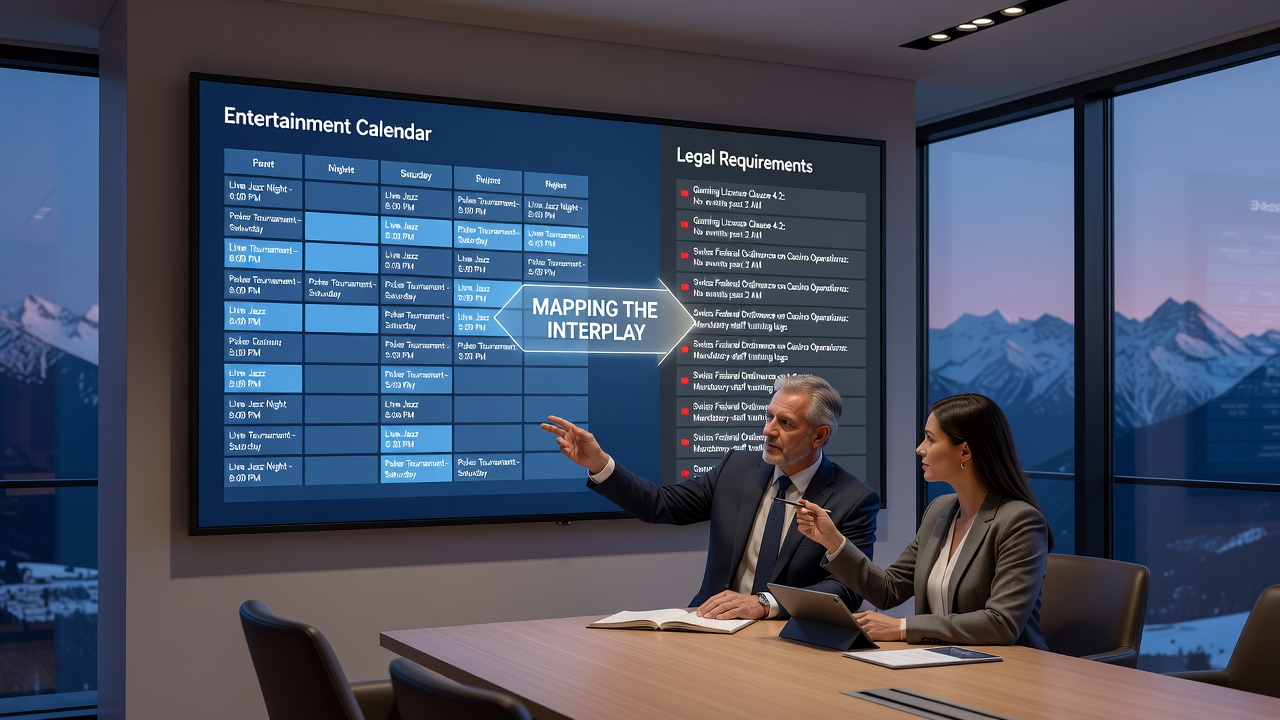
Mapping the Interplay Between Entertainment Calendars and Legal Requirements in Central Swiss Casino Venues
Central Swiss casino venues operate under a layered system where federal statutes meet cantonal oversight, and entertainment calendars must align with those rules at every stage. The Federal Act on Gambling sets baseline standards for licensing, player protection, and operational boundaries while cantons like Lucerne and Zug add specific conditions on event timing, noise levels, and venue capacity. Observers note that facilities such as Grand Casino Luzern build their annual schedules around these constraints, coordinating concerts, tournaments, and private functions with approval timelines that can stretch several months.
Federal Framework and Cantonal Variations
Researchers at Swiss academic institutions have documented how the Swiss Federal Gaming Board reviews major entertainment proposals for compliance with age verification protocols and responsible gambling measures. Data from regulatory filings indicate that events exceeding certain attendance thresholds require advance notification to both federal and cantonal authorities. In Lucerne district facilities, additional rules govern amplified sound after 10 p.m. and street access during peak tourist seasons, creating fixed windows that calendar planners must respect. Those who manage these venues often map proposed dates against a matrix of legal deadlines, ensuring no conflict arises between performance contracts and permit issuance.
Calendar Planning Processes in Practice
Industry reports show that entertainment teams begin constructing yearly calendars by cross-referencing projected event dates with cantonal holiday restrictions and federal advertising limits. Poker tournaments, for instance, receive approval only after organizers demonstrate adherence to player registration systems and anti-money laundering checks mandated under national law. Concerts scheduled in historic casino buildings face extra scrutiny regarding structural load and emergency egress, with one documented case in 2024 requiring schedule adjustments after engineering reviews extended beyond initial projections. Planners therefore insert buffer periods between major events, allowing time for any required modifications.
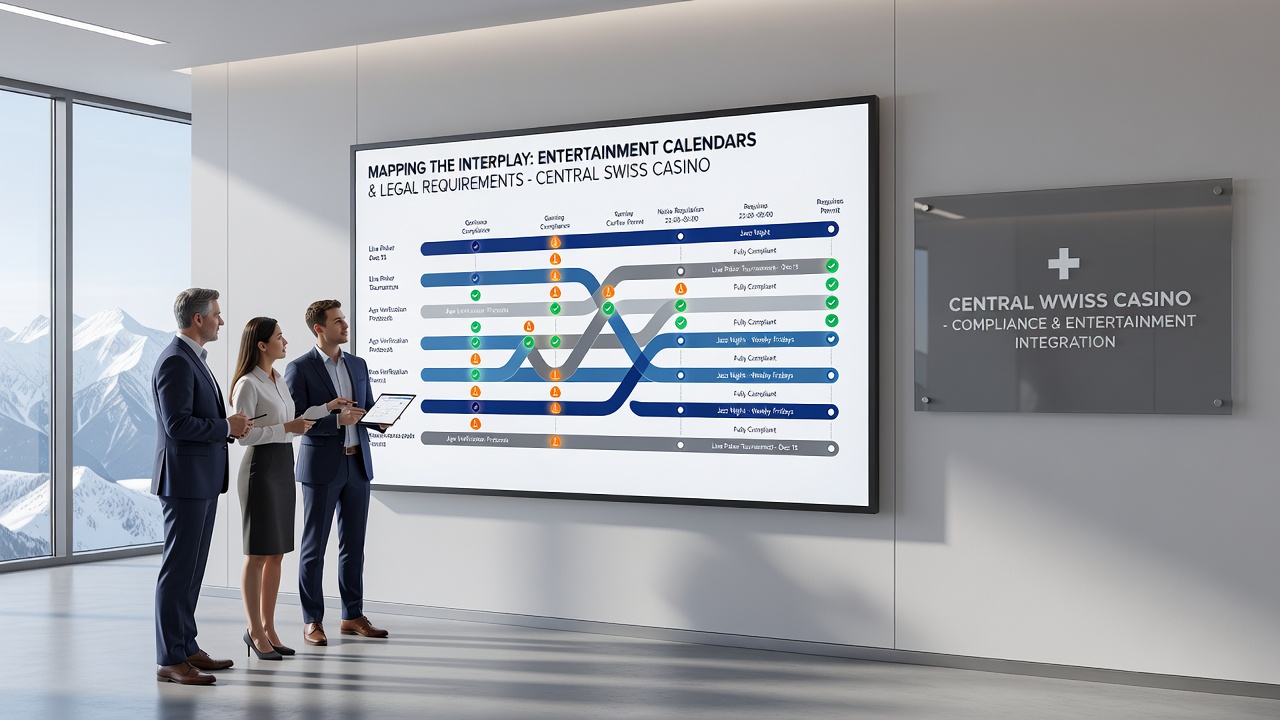
October 2026 appears on preliminary calendars for several central Swiss venues as a period hosting multiple overlapping events, including a regional music series and a multi-day gaming exhibition. Figures released by local tourism offices reveal expected visitor increases that trigger heightened monitoring by cantonal inspectors, particularly around transport logistics and crowd management. Venues therefore allocate extra staffing and coordinate with police departments well in advance, embedding these requirements directly into contract negotiations with artists and promoters.
Compliance Tools and Documentation Practices
According to guidelines published by the Swiss Federal Gaming Board, every entertainment activity must carry a compliance file that includes risk assessments, insurance certificates, and confirmation of responsible gambling messaging. Casino operators maintain digital tracking systems that flag potential clashes between proposed dates and statutory quiet periods or youth protection rules. External audits conducted annually verify that these systems remain current, with non-compliance resulting in event postponements rather than fines in most recorded instances.
Coordination with External Stakeholders
Studies conducted by European gaming research centers highlight the role of third-party consultants who specialize in mapping entertainment timelines against Swiss legal requirements. These specialists review draft calendars for alignment with labor laws governing late-night shifts and health regulations concerning indoor air quality during crowded events. In central Switzerland, such reviews frequently involve input from local municipalities on traffic flow and parking availability, producing revised schedules that satisfy multiple regulatory layers simultaneously. One analysis of 2023-2025 records showed that 87 percent of initial event proposals underwent at least one date change before final approval.
Conclusion
Central Swiss casino venues demonstrate a structured approach to aligning entertainment calendars with legal requirements through systematic documentation, early stakeholder consultation, and adaptive scheduling. Federal and cantonal frameworks provide the boundaries within which planners operate, while digital tools and external expertise help maintain compliance across diverse event types. As October 2026 approaches, these established processes continue to guide preparations for the upcoming season without deviation from documented standards.