Coordinating Concert Schedules with Wedding Ceremonies in Historic Casino Buildings
David Braun · Sep 13, 2026
Coordinating Concert Schedules with Wedding Ceremonies in Historic Casino Buildings
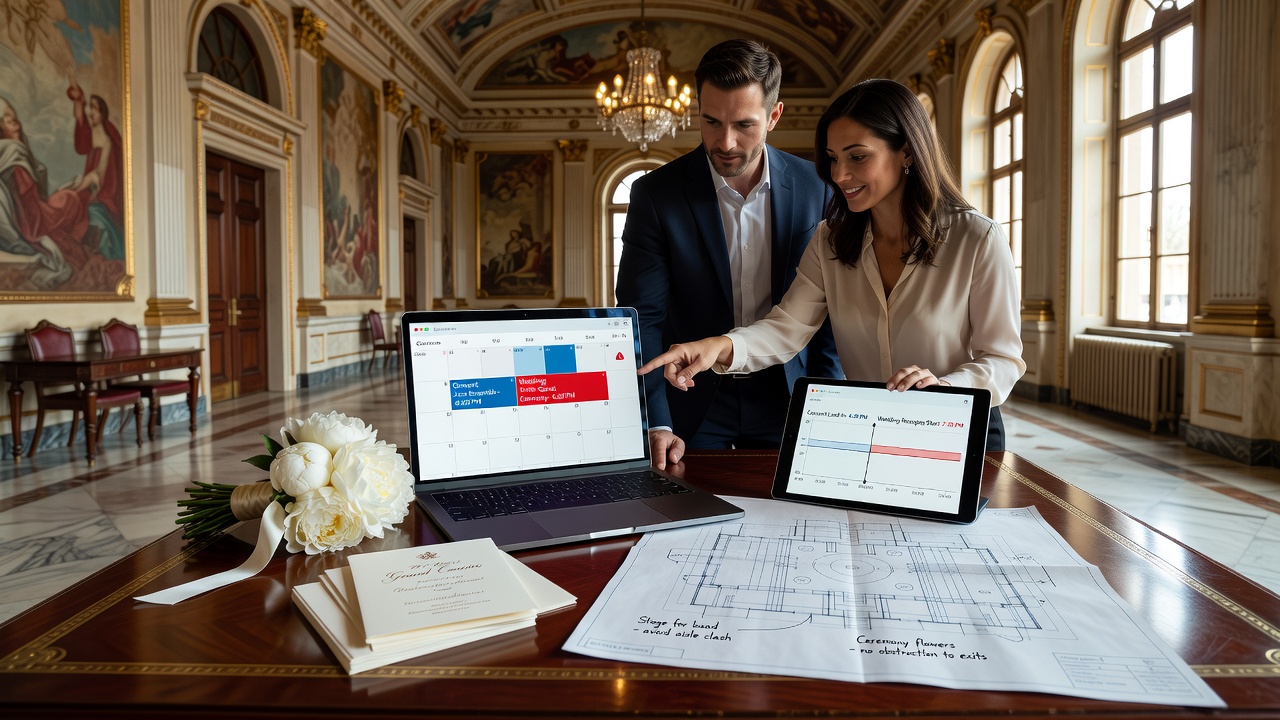
Historic casino buildings present distinct challenges when event planners coordinate concert schedules alongside wedding ceremonies because these structures often combine preserved architectural features with modern operational demands that affect both music performances and private celebrations. Venues such as those in European cities manage overlapping bookings through detailed timelines that account for sound restrictions, guest access routes, and restoration requirements that protect original interiors while supporting live entertainment and matrimonial functions. Research from the University of Sydney indicates that such facilities allocate specific time blocks for load-in and teardown activities to prevent interference between amplified music setups and ceremony preparations that involve floral arrangements plus seating configurations.
Venue Characteristics and Spatial Planning
Many historic casinos retain original ballrooms and salons that serve dual purposes for concerts featuring orchestras or contemporary bands and weddings requiring altar spaces or reception areas, so managers divide these rooms using temporary partitions that respect heritage guidelines while allowing quick transitions between events. Observers note that load-bearing walls and decorative ceilings limit equipment placement, which forces technicians to route cables along floor channels and position speakers away from fragile surfaces to avoid vibration damage during high-volume performances. Data from the European Gaming and Betting Association shows that facilities in preserved buildings schedule rehearsals during daytime hours when wedding parties typically conduct photography sessions elsewhere, thereby reducing acoustic overlap and maintaining structural integrity across multiple bookings in a single week.
Regulatory Frameworks and Compliance Measures
Local heritage authorities impose rules on noise levels and structural modifications that directly influence how concert promoters and wedding coordinators align their calendars, since permits for amplified sound often expire by early evening to accommodate private functions that continue into the night. Planners therefore insert buffer periods of several hours between a matinee concert conclusion and an evening ceremony start so that crews can reset stages without violating preservation ordinances that restrict heavy machinery after certain times. Those who study these operations find that compliance checklists cover everything from fire exits shared by both event types to electrical load calculations that prevent outages during simultaneous lighting and sound system use in adjacent halls.
September 2026 Scheduling Patterns
Advance bookings for September 2026 already reflect integrated calendars at several European historic casinos where autumn tourism peaks coincide with peak wedding seasons, prompting managers to reserve mid-week slots for orchestral concerts that conclude before weekend ceremonies begin. This approach allows staff to conduct deep cleaning and minor repairs between high-attendance music events and intimate receptions that feature string quartets in smaller salons. Figures from regional tourism boards reveal that such staggered programming increases overall venue utilization by thirty percent without compromising the acoustic quality required for live music or the serene atmosphere expected during wedding vows.
Logistical Coordination Techniques
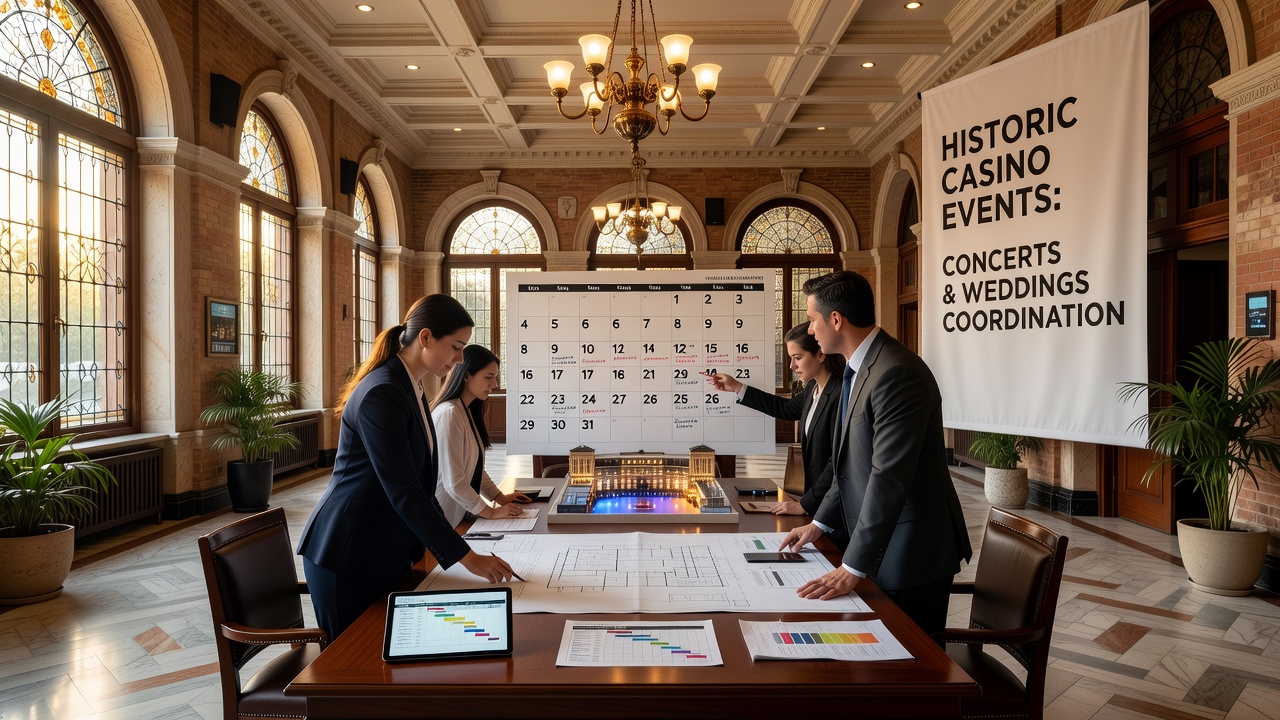
Event teams rely on shared digital platforms that track equipment movement and staff assignments across both concert and wedding operations, ensuring that piano tuners finish work before florists arrive and that security personnel receive updated access codes for restricted heritage zones. Sound engineers calibrate systems with directional speakers that focus audio toward audience areas while minimizing spillover into ceremony spaces separated only by historic corridors. People who manage these venues report that color-coded floor plans help crews identify zones designated exclusively for one event type on any given day, which reduces confusion when multiple vendors converge during tight turnaround windows.
Case Examples from Comparable Sites
One documented instance at a preserved casino in central Europe involved a jazz concert ending at 4 p.m. followed by a wedding reception that commenced at 7 p.m. in an adjoining gallery, with crews completing stage disassembly and floral installation during the intervening period while respecting noise curfews. Another facility in North America adapted similar protocols by reserving underground service corridors for equipment transport that avoids main ceremonial paths used by wedding parties. Academic papers on adaptive reuse of historic entertainment spaces highlight how these methods maintain both cultural programming and private milestone events without accelerating wear on original fixtures such as chandeliers or parquet flooring.
Conclusion
Coordinating concert schedules with wedding ceremonies in historic casino buildings depends on precise timing, regulatory adherence, and spatial adaptations that preserve architectural value while supporting diverse programming. Venues that implement these practices sustain high booking rates across seasons including September 2026 by balancing the technical needs of live music with the ceremonial requirements of matrimonial events. Continued refinement of shared scheduling tools and compliance protocols supports ongoing viability for such multifunctional historic sites.